Sydney
Mecone was engaged by DPHI to deliver the technical component of Action 2 of the NSW Government’s Industrial Lands Action Plan 2025, building on the successful delivery of the Statewide Industrial Lands Policy
-
LGAS
All of NSW
-
Size
~$200,000
-
Sector
Infrastructure | Policy & Analytics
-
Services
Policy & Analytics
-
Office
Sydney
-
Team
Sean Perry
-
Completed
Draft delivered May 2026
-
Photography
About the project
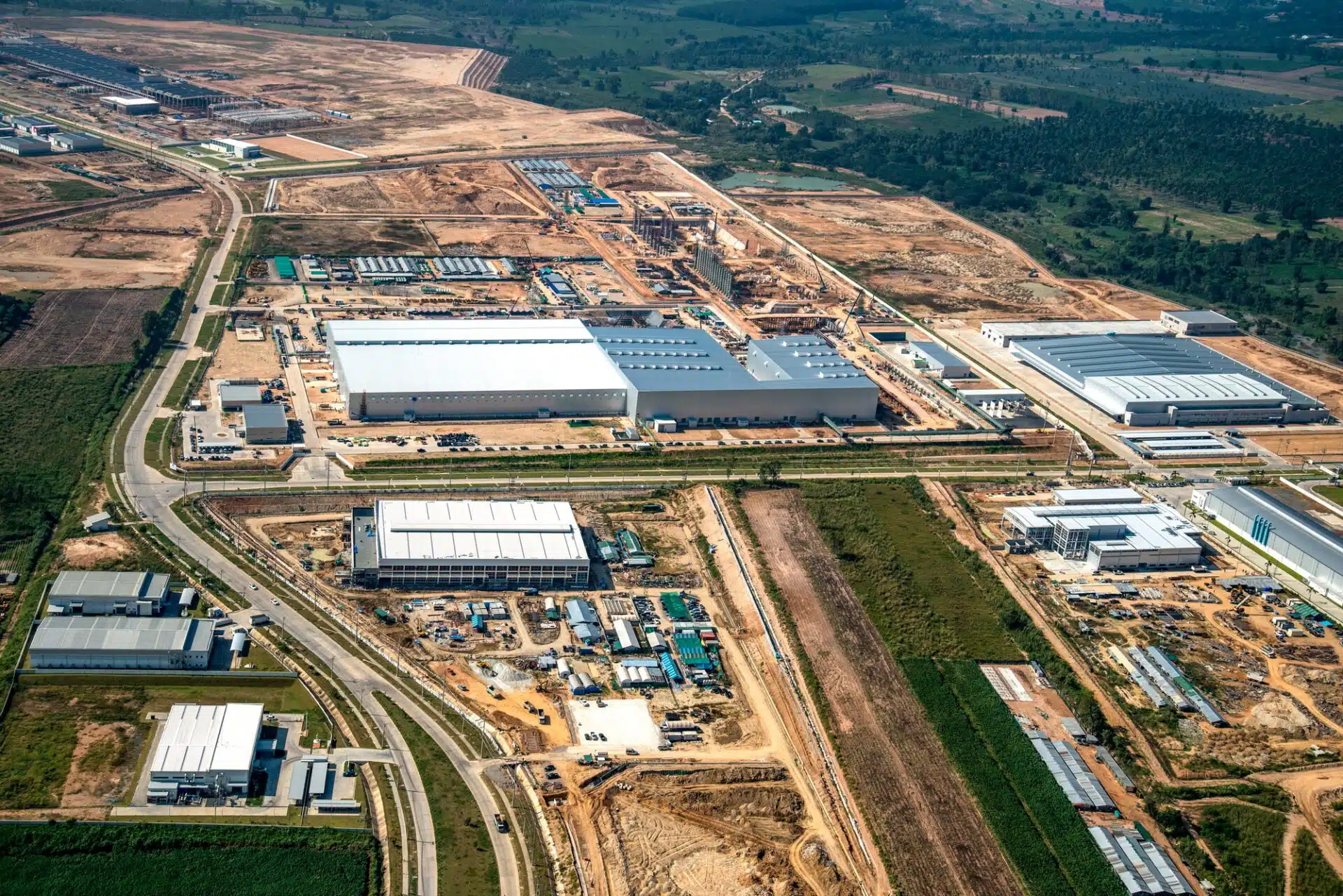
Following the successful delivery of the Statewide Industrial Lands Policy, Mecone was re-engaged by the Department of Planning, Housing and Infrastructure (DPHI) to deliver the technical component of Action 2 of the NSW Government’s Industrial Lands Action Plan 2025.
The project investigated inefficiencies, inconsistencies, and regulatory barriers within the planning framework governing industrial development across NSW, with the findings directly informing a package of reforms to implement the draft Statewide Policy.
Our work involved comprehensive stakeholder engagement with councils, state agencies, peak bodies, industry groups, developers and certifiers; analysis of industry trends including growth in large-format logistics, multi-storey warehousing, data centres, and automation; spatial analysis of approximately 61,000 industrial lots; and a detailed review of State Environmental Planning Policy (Exempt and Complying Development Codes) 2008, key SEPPs, and the Environmental Planning and Assessment Regulation 2021.
The project produced recommendations spanning expanded Complying Development pathways, reverse amenity controls, revised height and FSR settings, updated land use definitions, and a model Development Control Plan framework – supporting a more streamlined, consistent, and contemporary approach to the delivery and management of industrial land across NSW.
Mecone prepared the following:
- Stakeholder engagement with councils, state agencies, peak bodies, industry groups, developers and certifiers
- Analysis of industry trends including large-format logistics, multi-storey warehousing, data centres and automation
- Spatial analysis of approximately 61,000 industrial lots across NSW
- Review of the Exempt and Complying Development Codes SEPP, key SEPPs and the Environmental Planning and Assessment Regulation 2021
- Technical review of inefficiencies, inconsistencies and regulatory barriers affecting industrial development
- Recommendations relating to expanded Complying Development pathways, reverse amenity controls, revised height and FSR settings, updated land use definitions and a model Development Control Plan framework